


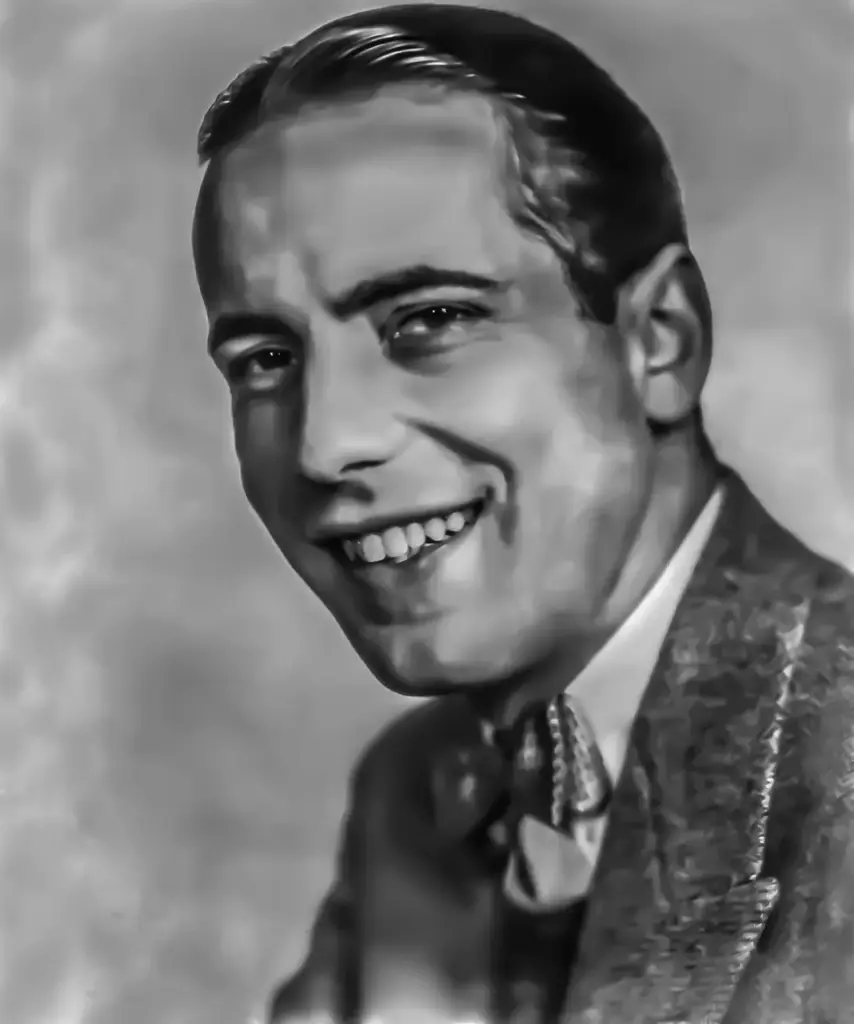
In the polished, sanitized Golden Age of Hollywood, actors were expected to be gods. They spoke with Transatlantic accents, wore tailored suits that never wrinkled, and possessed moral compasses that pointed strictly North.
Then came Humphrey Bogart—a man who proved that being broken was far more cinematic than being perfect.
When I deconstruct 20th-century cinema for Celebrimous, I often look for the “pivot point”—the specific moment an industry changes its mind. For me, Bogart wasn’t just a star; he was that pivot. He wasn’t the chiseled idol; he was the guy in the shadows, usually with a cigarette acting as a ticking clock for his next line. He didn’t just play the anti-hero; he invented the blueprint for every “bruised” leading man we see today.
Revisiting his filmography in 2026, it becomes clear: Bogart didn’t act for the camera; he existed despite it.
The “Ugly” Authenticity: Why Imperfection Created a Legend?
Most biographies will tell you Bogart got his trademark lisp and scar from a Navy injury (or a childhood accident, depending on which legend you believe). But as a student of film, I find the result on screen infinitely more interesting than the medical cause.
In the 1930s and 40s, the “Studio System” was obsessed with perfection. Yet, Bogart’s slight speech impediment acted as a “visual truth.” It grounded him. When I watch High Sierra (1941), I notice that when he speaks, he doesn’t sound like a trained thespian projection; he sounds like a man who has been punched in the mouth by life.
The Technicality of the “Stiff Upper Lip”
There is a fascinating technical aspect to this. Because of his lip injury, Bogart often spoke with a somewhat stiff upper lip. This forced him to be minimalist with his facial expressions. While other actors were “mugging” for the camera with wide grins or furrowed brows, Bogart had to rely on micro-expressions—a slight twitch of the eye, a shift in the jaw.
This “physical imperfection” is exactly what modern, CGI-heavy cinema is often missing—the grit of a real human face that has actually lived. He wasn’t a blank canvas; he was a textured map of bad decisions and hard whiskey.
How The Maltese Falcon (1941) Redefined Acting Through Stillness
If you want to understand where modern acting began, you have to look at Sam Spade in The Maltese Falcon. This wasn’t just a detective movie; it was a masterclass in “dangerous stillness.”
When reviewing the 4K restoration of the film, one detail stands out immediately: Bogart rarely blinks.
In his scenes with Mary Astor, Bogart employs a predatory focus. I’ve analyzed the frame density in these scenes, and the contrast is startling. Astor is fluttering, nervous, and kinetic. Bogart is a statue. This creates a power dynamic that requires no dialogue to understand. He anchors the frame.
The Lighting of a Lie (Chiaroscuro Analysis)
We cannot discuss Bogart without discussing the lighting that defined him. Cinematographer Arthur Edeson used “low-key” lighting (Chiaroscuro) not just as a stylistic choice, but as a narrative mask.
- The Theory: In traditional cinema, the hero is well-lit (the “halo” effect).
- The Bogart Shift: Bogart is frequently lit with “venetian blind” shadows slashing across his face.
- My Take: This visual technique tells the audience that this man is fractured. He is half in the light (law-abiding) and half in the dark (criminal). It is one of the most effective marriages of cinematography and character psychology in film history.
Casablanca: Why is Rick Blaine the Ultimate Cynic?
Casablanca is frequently miscategorized. Pop culture calls it a romance. However, after watching it for perhaps the twentieth time, I view it as a film about political exhaustion.
Rick Blaine is the ultimate Bogart avatar because his cynicism is a survival mechanism, not a personality trait. We see this in his “shielded” performance. He professions to “stick his neck out for nobody,” but his eyes tell a different story.
The “Professional” Code vs. The “Moral” Code
One of the reasons Bogart’s characters resonate so deeply—and why this site often argues he is the greatest actor of the century—is the motivation behind his heroism.
In modern superhero movies, heroes save the world because “it’s the right thing to do.” Bogart characters save the day because they hate being played for a fool.
When he tells Ilsa, “I’m no good at being noble,” he is lying to her, but he is also protecting himself. The narrative genius here is that his heroism is painful. He doesn’t want to be the hero; he is forced into it by a ghost from his past. That creates tension. We are watching a man fight against his own better nature, and that internal conflict is far more compelling than any external explosion.
The Bacall Effect: How The Big Sleep Changed On-Screen Chemistry
You cannot analyze Bogart without mentioning the shift that occurred when Lauren Bacall entered the frame. In The Big Sleep (1946), the “Bogart Persona” softened, but sharpened simultaneously.
I noticed a distinct change in his body language in scenes with Bacall compared to his scenes with Ingrid Bergman. With Bergman, he was wounded and defensive. With Bacall, he was intellectually challenged.
The famous “racehorse” dialogue scene isn’t just about sexual innuendo; it’s a sparring match. Bogart allowed himself to be matched. This was revolutionary for the 1940s leading man. He didn’t need to dominate the woman to remain masculine; he could respect her wit and still maintain his status. This dynamic paved the way for the “power couples” of cinema, from Han and Leia to Bond and Vesper Lynd.
Why Bogart’s “Bruised Masculinity” Matters in 2026
Why are we still talking about a man who died almost 70 years ago? Because Bogart’s shadow is everywhere.
When you watch Pedro Pascal in The Mandalorian, keeping his emotions hidden behind a mask (literal or figurative), you are watching Bogart. When you see Robert Pattinson’s Bruce Wayne scowl through the corruption of Gotham, you are watching Bogart.
He taught Hollywood that a hero doesn’t need a shining suit of armor. Sometimes, all a hero needs is a trench coat, a fedora, and a code of honor that he really wishes he didn’t have to follow.
The Move Away from Binary Heroes
In 2026, audiences are tired of perfect heroes. We are moving away from the “black and white” simplicity of mass-generated content. We crave the gray areas.
Bogart lived in the gray. He showed us that you can be selfish, cynical, and “broken,” but still make the right choice when the chips are down. He validated the idea that trauma doesn’t make you weak; it makes you interesting.
Final Verdict: Humphrey Bogart didn’t just play characters; he documented the loss of innocence of the 20th century. He was the face of a world that realized there were no knights in shining armor—only exhausted men trying to get through the night without selling their souls. And that is a lesson cinema will never stop learning.